Dec 28, 2016
Download Natalie Ginsberg - MAPS Policy and Advocacy Manager
In this discussion, Natalie shares her insights surrounding U.S. and international policy around drugs. We talk about 
Recent Posts & Episodes [pt_view id="34a4e22z59"]
Natalie Ginsberg - MAPS Policy and Advocacy Manager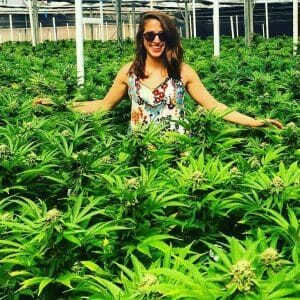
In this discussion, Natalie shares her insights surrounding U.S. and international policy around drugs. We talk about - The opiate and opioid crisis
- Commission on Narcotic Drugs in Vienna
- Ibogaine to help combat the crisis
- U.S. and International Drug Policy
- United Nations - The Commission on Narcotic Drugs - Special Session on the World Drug Problem
- Ways to get involved in advocacy
- ICEERS - The International Center for Ethnobotanical Education, Research & Service
- Titrated doses of Ibogane instead of larger bolus doses
- Ayahuasca Defense Fund
- MDMA-assisted psychotherapy
- The Trump Administration and what does it mean for scientific and academic research
Bio:
Natalie earned her Master's in Social Work from Columbia University in 2014, and her Bachelor's in History from Yale University in 2011. At Columbia, Natalie served as a Policy Fellow at the Drug Policy Alliance, where she helped legalize medical marijuana in her home state of New York, and worked to end New York's racist marijuana arrests. Natalie has also worked as a court-mandated therapist for individuals arrested for prostitution and drug-related offenses, and as a middle school guidance counselor at an NYC public school. Natalie's clinical work with trauma survivors spurred her interest in psychedelic-assisted therapy, which she believes can ease a wide variety of both mental and physical ailments by addressing the root cause of individuals' difficulties, rather than their symptoms. Through her work at MAPS, Natalie advocates for research to provide evidence-based alternatives to both the war on drugs and the current mental health paradigm.Links:
Get in touch with Natalie:
Recent Posts & Episodes [pt_view id="34a4e22z59"]
Dec 19, 2016
Download In this episode, Joe and Kyle talk with Emma Bragdon, Founder/Director of Integrative Mental Health for You. The mission of IMHU is, "To facilitate improvements in mental healthcare and encourage psycho-spiritual growth in individuals around the world." During the conversation, Emma shares her experiences of working with people in spiritual emergence processes and defines what a spiritual emergency is. We also talk about the importance of integrating this language into mainstream professional fields. The topic of spiritual emergencies is very relevant to psychedelics considering psychedelics can sometimes be a catalyst for a spiritual emergence process. We are very grateful and thankful for Emma's wisdom and hope that you enjoy it as well! Topic Highlights:
- Early uses of MDMA and psychotherapy
- Stanislav and Christina Grof's Spiritual Emergence Network
- Breathwork and other spiritual technologies
- Working with extreme states and non-ordinary states of consciousness
- Loren Mosher's Soteria House
- Integration of non-ordinary states
- What does the psychology of the future look like?
- Language and terminology of spiritual experiences and spiritual emergencies
- Spiritual Emergence Coaching Program
Dec 13, 2016
Download In this episode, Joe and Kyle chat with Daniel McQueen of Medicinal Mindfulness , which "is a grassroots consciousness organization supporting individuals and communities who choose to use psychedelics and cannabis with intention. In addition, we create opportunities for legal, accessible, safe and sacred psychedelic journey experiences using breathwork practices, the skillful use of cannabis sativa and through sponsoring psychedelic events in lawful settings." We talk about: 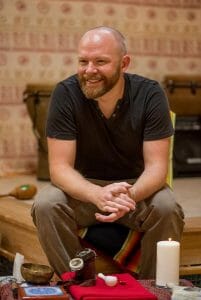 Daniel earned a Masters Degree in Transpersonal Counseling Psychology from Naropa and received advanced training in MDMA-assisted psychotherapy through a year internship with the MAPS Boulder MDMA for PTSD Study. It was his experience with MAPS that inspired Daniel to explore alternative visions in psychedelic activism and entrepreneurship. Daniel bridges transpersonal paradigms with the grounded clinical and organizational skills necessary to begin addressing the significant ecological and mental health crises facing our society today. Although Daniel no longer practices as a clinical psychotherapist, he supports his clients as a teacher, coach, ally and event facilitator, providing individual and group transformational experiences and deeply held intentional conversations. In his practice, Daniel quickly realized that the most important intervention he could provide to his clients, who were isolated and longed for meaningful contact with others, was a sense of community. Medicinal Mindfulness is, in a very real way, a cultural intervention that provides a safe and transformational community container for healing and awakening... a program based on skill development and not dogma. Since 2012, Daniel has been teaching a psychedelic harm prevention and intentional psychedelic use course called Mindful Journeywork. Since the legalization of recreational cannabis in Colorado, he has been facilitating Conscious Cannabis Circles and individual cannabis journeys.
 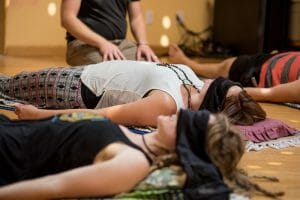 In addition to his work with Medicinal Mindfulness, Daniel has a successful spirituality and life coaching practice with his wife, Alison, through their company, Aspenroots Counseling LLC. Highly skilled in identifying and cultivating giftedness in young people and supporting significant life transitions, Daniel is inspired to support passionate and talented individuals striving to live into their calling. A primary focus of his practice involves assessing and addressing the benefits and difficulties related to psychedelic and cannabis use and misuse. Daniel co-founded the Naropa Alliance for Psychedelic Studies and helped organize the first annual Psychedelic Symposium at Naropa University in 2012. He is currently working with Grounding Solutions, Inc. to develop a natural rescue medicinal for users of psychedelics and cannabis. daniel@medicinalmindfulness.org
 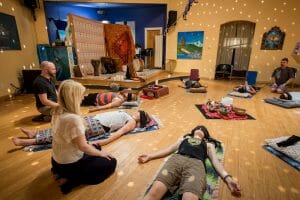 Links Medicinal Mindfulness Aspen Roots Mental Health First Aid !function(f,b,e,v,n,t,s){if(f.fbq)return;n=f.fbq=function(){n.callMethod? n.callMethod.apply(n,arguments):n.queue.push(arguments)};if(!f._fbq)f._fbq=n; n.push=n;n.loaded=!0;n.version='2.0';n.queue=[];t=b.createElement(e);t.async=!0; t.src=v;s=b.getElementsByTagName(e)[0];s.parentNode.insertBefore(t,s)}(window, document,'script','https://connect.facebook.net/en_US/fbevents.js'); fbq('init', '1400246380002879'); // Insert your pixel ID here. fbq('track', 'PageView'); fbq('track', 'ViewContent');
- Healing power of cannabis
- Conscious Cannabis Circles
- Spiritual effects of cannabis
- Breathwork
- Tranpsersonal Psychology
- Psychedelic Shine
- Integration and self-care
Daniel earned a Masters Degree in Transpersonal Counseling Psychology from Naropa and received advanced training in MDMA-assisted psychotherapy through a year internship with the MAPS Boulder MDMA for PTSD Study. It was his experience with MAPS that inspired Daniel to explore alternative visions in psychedelic activism and entrepreneurship. Daniel bridges transpersonal paradigms with the grounded clinical and organizational skills necessary to begin addressing the significant ecological and mental health crises facing our society today. Although Daniel no longer practices as a clinical psychotherapist, he supports his clients as a teacher, coach, ally and event facilitator, providing individual and group transformational experiences and deeply held intentional conversations. In his practice, Daniel quickly realized that the most important intervention he could provide to his clients, who were isolated and longed for meaningful contact with others, was a sense of community. Medicinal Mindfulness is, in a very real way, a cultural intervention that provides a safe and transformational community container for healing and awakening... a program based on skill development and not dogma. Since 2012, Daniel has been teaching a psychedelic harm prevention and intentional psychedelic use course called Mindful Journeywork. Since the legalization of recreational cannabis in Colorado, he has been facilitating Conscious Cannabis Circles and individual cannabis journeys. In addition to his work with Medicinal Mindfulness, Daniel has a successful spirituality and life coaching practice with his wife, Alison, through their company, Aspenroots Counseling LLC. Highly skilled in identifying and cultivating giftedness in young people and supporting significant life transitions, Daniel is inspired to support passionate and talented individuals striving to live into their calling. A primary focus of his practice involves assessing and addressing the benefits and difficulties related to psychedelic and cannabis use and misuse. Daniel co-founded the Naropa Alliance for Psychedelic Studies and helped organize the first annual Psychedelic Symposium at Naropa University in 2012. He is currently working with Grounding Solutions, Inc. to develop a natural rescue medicinal for users of psychedelics and cannabis. daniel@medicinalmindfulness.org Links Medicinal Mindfulness Aspen Roots Mental Health First Aid !function(f,b,e,v,n,t,s){if(f.fbq)return;n=f.fbq=function(){n.callMethod? n.callMethod.apply(n,arguments):n.queue.push(arguments)};if(!f._fbq)f._fbq=n; n.push=n;n.loaded=!0;n.version='2.0';n.queue=[];t=b.createElement(e);t.async=!0; t.src=v;s=b.getElementsByTagName(e)[0];s.parentNode.insertBefore(t,s)}(window, document,'script','https://connect.facebook.net/en_US/fbevents.js'); fbq('init', '1400246380002879'); // Insert your pixel ID here. fbq('track', 'PageView'); fbq('track', 'ViewContent');
Dec 8, 2016
Download  It has been a big week for psychedelic research. Psilocybin and MDMA have made national headlines. The New York Times article, "F.D.A. Agrees to New Trials for Ecstasy as Relief for PTSD Patients," highlights the recent win for MAPS in regards to their MDMA-assisted psychotherapy research. The FDA has given MAPS the green light to pursue phase 3 research for MDMA-assisted psychotherapy for post-traumatic stress disorder.
 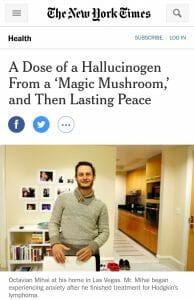 The New York Times also highlights the recent publications of psilocybin research in the article, "A Dose of a Hallucinogen from a 'Magic Mushroom,' and Then Lasting Peace." Psilocybin has been being researched by various institutions, including NYU and John Hopkins, for its potential therapeutic benefit to combat end-of-life anxiety due to terminal illness and cancer. The study results are fascinating:
  About Gabrielle Agin-Liebes: Ms. Agin-Liebes is completing her training toward a PhD in clinical psychology at Palo Alto University. She is a member of PAU’s Early Intervention Clinic clinical research laboratory, which provides and evaluates evidence-based treatments to prevent trauma-related problems in recently traumatized individuals. As part of this research laboratory, Ms. Agin-Liebes is examining the effects of trait self-compassion on trauma-related guilt cognitions. Through a supplemental practicum, Gabrielle is training toward a teacher certification in insight oriented mindfulness meditation through the Inner Resources Center at Palo Alto University. Ms. Agin-Liebes’ other research focuses on novel and progressive psychotherapies for a variety of clinical indications, with areas of specialty in anxiety, depressive and traumatic stress disorders precipitated by life threatening illnesses. Through the University of California San Francisco (UCSF) Ms. Agin-Liebes is co-leading the qualitative investigation of a pilot study examining the safety and feasibility of Psilocybin-Assisted Supportive-Expressive Group Psychotherapy for demoralization and existential distress in older individuals living with HIV. Prior to beginning her graduate studies, Gabrielle served as Project Manager of the NYU School of Medicine (NYUSoM) Psychedelic Research Laboratory led by Stephen Ross MD in the Department of Psychiatry, where she oversaw the day-to-day operations of trials exploring psilocybin as a treatment for existential distress in cancer patients, and ketamine as a rapidly-acting antidepressant in Emergency Department patients, Through the NYU School of Medicine lab, she has received funding to investigate the qualitative experiences of participants undergoing psilocybin treatment for alcohol dependence and is helping to design a qualitative trial of religious leaders receiving psilocybin at NYUSoM and Johns Hopkins University (JHU). Ms. Agin-Liebes’ other research interests include the role of self-compassion in addiction recovery and the therapeutic applications of meditation and mindfulness.
It has been a big week for psychedelic research. Psilocybin and MDMA have made national headlines. The New York Times article, "F.D.A. Agrees to New Trials for Ecstasy as Relief for PTSD Patients," highlights the recent win for MAPS in regards to their MDMA-assisted psychotherapy research. The FDA has given MAPS the green light to pursue phase 3 research for MDMA-assisted psychotherapy for post-traumatic stress disorder. The New York Times also highlights the recent publications of psilocybin research in the article, "A Dose of a Hallucinogen from a 'Magic Mushroom,' and Then Lasting Peace." Psilocybin has been being researched by various institutions, including NYU and John Hopkins, for its potential therapeutic benefit to combat end-of-life anxiety due to terminal illness and cancer. The study results are fascinating: At the 6.5-month follow-up, psilocybin was associated with enduring anxiolytic and anti-depressant effects (approximately 60–80% of participants continued with clinically significant reductions in depression or anxiety), sustained benefits in existential distress and quality of life, as well as improved attitudes towards death. The psilocybin-induced mystical experience mediated the therapeutic effect of psilocybin on anxiety and depression. (http://m.jop.sagepub.com/content/30/12/1165.full)In this episode, Joe and Kyle chat with, Gabby Agin-Liebes, a co-author of the psilocybin study quoted above and a PhD student studying clinical psychology. During the conversation, we get into topics about the recent publication:
- Formation of the NYU study
- Gabby’s role in the study
- How volunteers were selected
- Inclusion and admission criteria
- Study results
- Can psilocybin help those who are facing death?
- Mystical experiences facilitating and mediating change in depression and anxiety
- Current research that Gabby is part of and co-leading
- How to get involved in the psychedelic field
- Dreams and visions for the future of psychedelics and psychedelic research
About Gabrielle Agin-Liebes: Ms. Agin-Liebes is completing her training toward a PhD in clinical psychology at Palo Alto University. She is a member of PAU’s Early Intervention Clinic clinical research laboratory, which provides and evaluates evidence-based treatments to prevent trauma-related problems in recently traumatized individuals. As part of this research laboratory, Ms. Agin-Liebes is examining the effects of trait self-compassion on trauma-related guilt cognitions. Through a supplemental practicum, Gabrielle is training toward a teacher certification in insight oriented mindfulness meditation through the Inner Resources Center at Palo Alto University. Ms. Agin-Liebes’ other research focuses on novel and progressive psychotherapies for a variety of clinical indications, with areas of specialty in anxiety, depressive and traumatic stress disorders precipitated by life threatening illnesses. Through the University of California San Francisco (UCSF) Ms. Agin-Liebes is co-leading the qualitative investigation of a pilot study examining the safety and feasibility of Psilocybin-Assisted Supportive-Expressive Group Psychotherapy for demoralization and existential distress in older individuals living with HIV. Prior to beginning her graduate studies, Gabrielle served as Project Manager of the NYU School of Medicine (NYUSoM) Psychedelic Research Laboratory led by Stephen Ross MD in the Department of Psychiatry, where she oversaw the day-to-day operations of trials exploring psilocybin as a treatment for existential distress in cancer patients, and ketamine as a rapidly-acting antidepressant in Emergency Department patients, Through the NYU School of Medicine lab, she has received funding to investigate the qualitative experiences of participants undergoing psilocybin treatment for alcohol dependence and is helping to design a qualitative trial of religious leaders receiving psilocybin at NYUSoM and Johns Hopkins University (JHU). Ms. Agin-Liebes’ other research interests include the role of self-compassion in addiction recovery and the therapeutic applications of meditation and mindfulness.
Nov 30, 2016
 Download Joe and Kyle talk to Shannon Clare Petitt about the current state of MDMA research and what MAPS needs to do in the next number of months with the FDA as the phase three trials become approved. A few days after the interview the New York Times reported that the phase three research was approved. Shannon's story is great and optimistic. If you are interested in how to get a job in the psychedelic field, this is certainly an episode you'll want to listen to. We also discuss some possible tweaks to the studies that could be done that may yield interesting results, and also why MAPS is taking the approach that they are (its the most straightforward way to push the research through the FDA).
  Here is Shannon's bio from the MAPS staff page.
 Links Psychedelic Salon Podcast Featuring Shannon, Rick Doblin and Annie Oak Zendo Project MAPS https://www.youtube.com/watch?v=nDzwFRbV9ggShannon Clare Petitt, M.A., MFTI, Therapist Training Program Coordinator and Zendo Project Community Engagement Coordinator
Shannon received her Master’s in Integral Counseling Psychology from the California Institute of Integral Studies in 2014, with a practicum working with youth on moderation management for drug and alcohol use. Her passions include working with addiction, trauma, relationship, the body, and nature. At the Multidisciplinary Association for Psychedelic Studies she serves as the Therapist Training Program Coordinator. She also leads Community Engagement for the Zendo Project, bringing harm reduction services to events and expanding efforts for awareness and integration of psychedelic experiences. Shannon is a co-therapist in a MAPS-sponsored Phase 2 trial researching MDMA-assisted psychotherapy for anxiety associated with life-threatening illness. She is a California native and can be found running outdoors anywhere she travels, dancing to the beat, and jumping in the ocean when she gets the chance!

Nov 22, 2016
Download Faan was a great guest. He is currently working on a cannabis startup in Montréal, Québec, Canada named Indeeva Biomedical. Joe previously interviewed Faan for his permaulture podcast Permaculture Salad to talk about how shamanism, ayahuasca and permaculture go together in a complementary way (link). At the time of that interview Faan was living on a permaculture/ayahuasca retreat center in Peru named the Paititi Institute. Faan now lives in Montréal and has studied at McGill University where he studied cubic farming methods, which is one of many ways to decrease the total carbon output of agriculture. [caption id="attachment_317" align="alignright" width="255"]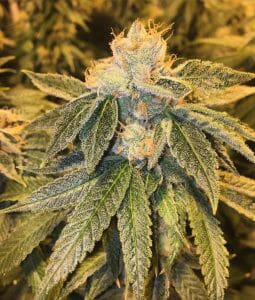 Photo via Backcountry Cannabis[/caption] I hope you find his insights as interesting as we did. Feel free to reach out with any questions through our contact page or reach out to Faan via LinkedIn or Twitter - links below. In this interview we speak at length about number of subjects including:
Photo via Backcountry Cannabis[/caption] I hope you find his insights as interesting as we did. Feel free to reach out with any questions through our contact page or reach out to Faan via LinkedIn or Twitter - links below. In this interview we speak at length about number of subjects including: - Cannabis
- CBDs
- Opiates
- Fentanyl
- Addiction
- Ayahuasca
- Pharmahuasca
- To what degree is Pharmahuasca different from Ayahuasca in terms of effect
- Novel applications of drugs for specific diseases/conditions
- Speculations about future cannabis laws in Canada
- Synergistic qualities of cannabis.
Links
https://www.medicaljane.com/directory/professional/faan-rossouw/ https://www.linkedin.com/in/faan-rossouw-73961b96 https://twitter.com/brah_faanicus https://www.facebook.com/indeevabm http://permaculturesalad.com/faan-rossouw-episode-7-amazonian-permaculture/ Aug 2013 interview
Nov 15, 2016
Download Kyle recently had the great opportunity to attend one module of the MAPS MDMA Therapy sessions. In this episode we talk about the experience at the workshop and about some other valuable topics as well. Let us know what you think, and please leave a review on iTunes! 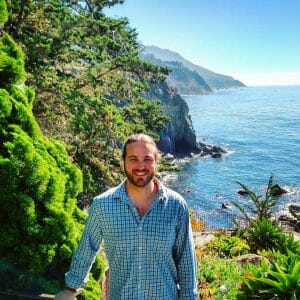
- Details on Phase Three studies for MDMA therapy
- Oceanic\Manic symptoms vs "real" mania
- Patients expressing religious material showing up in sessions
- Measurement tools (CAP Score)
- Similarities between this MAPS method and the Grof model
- MDMA taking down the fear response and allowing patients to access difficult material
- Watching hours of video as a training method for MDMA psychotherapy
- Timelines for legalization
- How to apply the scientific method to the music used in MDMA therapy
- How to get ready for the legalization for MDMA therapy
Oct 20, 2016
In this episode Kyle and Joe speak about the recent interview they recorded with Dimitri Muganis. There were some relatively important points in the interview that needed further discussion and expansion and in this podcast we unravel some of the material. There is plenty more to unpack there. Some of what is discussed in this episode includes. - Race
- Class
- Research and Treatment
- When should one take priority
- Democratization of the medicines
- Privilege
- Paying for people to participate in research
- The white upper middle class bias in the research
- The bias in research towards veterans
Sep 23, 2016
Download

 Tom Shroder Joe and Kyle talk about Tom's great book titled "Acid Test: LSD, Ecstasy, and the Power to Heal". Tom is an editor, and author of a number of books as well as the former editor of the Washington Post. Interviewing Tom was real fun and we appreciate him joining us for the show. We get into some great topics including
 - Tom's interesting connection to Rick Doblin
- The history of Rick's rise to influence
- The story of the Mithoefers transitioning from emergency medicine and sailing to Holotropic Breathwork and MDMA research
- The book and this interview also follow the story of a US Marine who came home with treatment resistant PTSD and was then treated by the Mithoefers with MDMA as part of their research.
Sep 22, 2016
Download Neal M. Goldsmith, Ph.D. is a psychotherapist specializing in psychospiritual development. He is a popular speaker on drug policy reform, spiritual maturation, and the emergence of an integral society (a six-minute clip of his talk on the “Fusion of Spirit and Science” may be found at: http://vimeo.com/7517009) and an author, most recently of Psychedelic Healing: The Promise of Entheogens for Psychotherapy and Spiritual Development. Dr. Goldsmith has curated dozens of successful conferences and cross-disciplinary “meetings of minds” for corporations as well as the psychedelic community, including the Horizons and MAPS Psychedelic Science conferences. He is a founder of several discussion salons on integral philosophy, governance, media, postmodern science, healing, and the future of society. Trained in humanistic, transpersonal, and eastern traditions, Dr. Goldsmith maintains a (non-psychedelic) psychotherapy practice in New York and Sag Harbor, NY, and may be reached via his Web site: http://www.nealgoldsmith.com/psychedelics.
Topics Discussed
- What Neal's practice looks like
- How Neal works with people who use psychedelics
- Self with a small "s"
- Aligning with one's Deeper self
- Creating health
- Sensory deprivation
- Maturity - long term vs short term
- Human history
- Use of sacred technology to align with long term good
- Psychedelic vs Psycholytic Approaches - Psychedelytic (combined)
- Maturation and rites of passage
- How do we transition to adulthood now?
- How one can become involved with the field
- Getting good grades, bringing good grants with you
- MAPS
- Erowid staff write ups
- Future research with adept Buddhist monks
- World religious leaders - research
- We have to be mature with this process.
- Comissions
- Meetings with leaders
- How to reintroduce back into society
- 279 chems from Shulgin to research - Chemical Modeling
- Autism research -UCLA - Alicia Danforth
Influences
- Asagioli - Psychosynthesis
- Sándor Ferenczi - Love Oriented
- A.H. Almaas - Diamond Approach
- Allan Ajaya, Phd - Psychotherapy East and West: A Unifying Paradigm
- Stuart A. Kauffman - The Origins of Order: Self-Organization and Selection in Evolution
- Jonathan Ott - Pharmacotheon: Entheogenic Drugs, Their Plant Sources, and History
- Rupert Sheldrake - The Rebirth of Nature: The Greening of Science and God
Sep 16, 2016
Download In this episode we speak with Dimitri about a ton of interesting subjects including:
- Iboga
- Addiction
- Bwiti
- Dana Beal
- Structural Criticism
- Problems with giving psychedelics to the current medical system
- Psychedelic Anarchy
- Non-hierarchical organizing - making the group the parent instead of making a person the parent
- Peer programs
- Alexandre Tannous
- Century of Self documentary
Links
Dimitri's site Instagram Facebook
Sep 11, 2016
Download Featuring Brian Normand, Co-Founder of Psymposia. Bio from Psymposia's site. 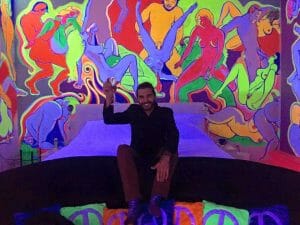
In this interview, we discuss a lot, but here are some highlights.Brian Normand is Co-Founder of Psymposia, greenthumb, and occasional trouble maker, focused on creating spaces and projects to teach people about plants and drugs.
He graduated from the University of Massachusetts Amherst with a BS in Plant, Soil, Insect Science, & Sustainable Horticulture, Magna Cum Laude. He lives in Baltimore.
- Brian's introduction to psychedelic art.
- Music and plants informing Brian's interest.
- The genesis of Psymposia at a more academic conference.
- The stuffiness of the academic world and it not being suitable for everyone.
- Yet how important the academic work in top schools is.
- Rick Doblin, David Nichols, Mithoffers and Grifiths and Dennis McKenna are individuals who prove how important it is to have top academic credentials.
- Yet how important the academic work in top schools is.
- The Psymposia Afterparty at this years Horizons: Perspective on Psychedelics Conference
- This year's after party includes guest speakers such as Duncan Trussell and Rick Doblin.
- The legal status of psychedelics in the USA and internationally.
- Some loose discussion about Portugal.
- Leveraging the globe for legal research on Psychedelics.
- John C. Lily's LSD, Ketamine and float tank research.
- How to get involved in Psychedelic work of different kinds.
- Speculation on how to take advantage of different legal systems globally to move research forward.
- Singing to the plants - Steve Beyer
Aug 29, 2016
Download In this episode we talk about the following:
- Katherine's path to becoming involved in psychedelic research
- Bias in Research
- Mental state required to be a researcher
- Impact to worldview after
- Privilege
- Harm reduction
- Paying participants involved with psychedelic research
- Future best uses of psychedelics
- Medicalization of birth and death
- Taking away human life from humans and giving that power to institutions
- Katherine's work with Ingmar Gorman at the Center for Optimal Living
- Integration circles
- Happyacres.farm
Aug 7, 2016
Download In this episode we talk to Ingmar about some great topics that included.
- Harm Reduction
- Psychedelic Science 2017
- Upcoming Zendo Training in NYC
- Czech Psychedelic Medical History
- MAPS MDMA Psychotherapy Video Archive
- Group work to help support Processing
Jul 19, 2016
This episode features Joe Moore, co-host of Psychedelics today. Joe was a student at Plymouth State University in New Hampshire and is now working in the software industry as well as hosting a few podcasts and coordinating Transpersonal Breathwork workshops mostly in Breckenridge, Colorado. LINKS Dreamshadow - Holotropic Breathwork in Vermont CAPS PTSD scoring system VICE article on Tony Macie - MDMA\PTSD
Jul 8, 2016
Download  Kyle and Joe speak with Jonathan Thompson about his podcast Psychedelic Parenting and the future of the Psychedelic Parenting organization. Other topics that were covered include:
Kyle and Joe speak with Jonathan Thompson about his podcast Psychedelic Parenting and the future of the Psychedelic Parenting organization. Other topics that were covered include: - Talking about psychedelics and substances with teenagers and children
- The Aftercare Project and psychedelic integration, and holding space.
- How to pass on the values of the psychedelic experience through spirituality, conscious living, social justice, free expression, and radical honesty.
- Children's books that describe marijuana.
- It's Just a Plant: http://www.justaplant.com/
- Stinky Steve Explains Causal Cannabis: https://www.amazon.com/Stinky-Steve-Explains-Medical-Marijuana/dp/0615867049
-
- The Religious Freedom Restoration Act and religious sacraments/medicine
- A video of the Ashland, Oregon Santo Daime Church: https://vimeo.com/6821805
- Psychedelic summer camp, rites of passage, breathwork, and cacao ceremonies.
- "Psychedelic Summer Camp" presentation:
-
Here's the link to Psychedelic Parenting MAPS donation page: https://store.maps.org/np/clients/maps/donation.jsp?campaign=59
Links and articles mentioned:
- 5 Psychedelic Family Values: http://www.psychedelicparenting.org/?p=300
- What EXACTLY Do You Mean by "Psychedelic Parenting" http://www.psychedelicparenting.org/?p=55
- How Old is Old Enough?: http://www.psychedelicparenting.org/?p=204
- Motherboard Vice article by Jonathan: http://motherboard.vice.com/read/psychedelic-parenting-is-about-more-than-just-drugs
- PrimeMind - Psychedelic Parenting: https://primemind.com/parenting-with-psychedelics-994e2776583a#.e5ahzw10o
Jun 22, 2016
Download
Kyle and Joe speak with Raven Renee Ray about the Aftercare project. Here is a short description of the project from it's facebook site.
The Aftercare Project is dedicated to the psychological and spiritual well-being of people reintegrating after challenging psychedelic experiences.The conversation is fun and wide ranging. We hope it is helpful and informative to academics, therapists, counselors and psychiatrists who are interacting with people coming back from difficult experiences. Here is a slightly longer description of the ACP.
Given the fact that ayahuasca has shown promise in research studies, we feel we not only have the humane duty to help those in need, but also the responsibility to ensure the reputation of ayahuasca and her traditional stewards among decision-makers in our own culture. This will allow us to continue holding space for research to continue, while protecting traditional practices. Because of the colossal challenges inherent in navigating multicultural spaces and the lack of understanding outside of the anthropological community regarding conflicting paradigms of urban capitalism and jungle reciprocity, we must do our best as North Americans to prepare those in our own communities who are called to this experience prior to their trip. This preparation will include full, informed consent, education on safety, cultural expectations and differences, and what to do in the case that further care is required upon return.Raven is also fundraising for the Aftercare Project. You can find a page for the fundraising effort here. Main site for Aftercare Project - Facebook
Jun 3, 2016
Download Lex, Kyle and Joe discuss MAPS, Psymposia, Ibogaine, Mushrooms, Ketamine, LSD, Cannabis, and loads more. Lex is working on a book related to the supremely complex neurochemistry of cannabis. "Whales, Cannabis and Neurochemistry" Lex -- http://www.lexpelger.com/ Aunt Zelda's Tea Farie Iboga Story https://www.erowid.org/columns/teafaerie/2014/12/18/hard-reset/ Dimitri -- https://www.youtube.com/watch?v=DvEv5trIdrg Nese -- http://www.psymposia.com/magazine/preview/nese-devenot-coming-out-of-the-psychedelic-closet Ketamine -- https://clinicaltrials.gov/ct2/show/NCT00088699 Bluebird Botanticals -- https://www.bluebird-botanicals.com/
May 23, 2016
Download In this episode of Psychedelics Today, Joe interviews the co-host of the show, Kyle Buller. As hosts of the show, we thought that it would be fun to dig a little deeper into our own personal narratives to give our listeners an idea of who we are. This episode offers the opportunity for Kyle to share his story about how he became interested in psychedelics and other non-ordinary states of consciousness.
From Kyle of Psychedelics Today
I became interested in non-ordinary states of consciousness at an young age. One event that sparked my interest in these topics stems from suffering a near-death experience when I was teenager. This experience changed the trajectory of my life and also left me with asking myself many questions about life and death. Tune into this episode as Joe asks me about my history with non-ordinary states of consciousness, the development of a psychedelic course at Burlington College, my interest in Holotropic Breathwork, and much more. Thanks for listening!
May 15, 2016
Download
Kyle and Joe get to talk with Elizabeth regarding her experience with MDMA assisted psychotherapy, Holotropic Breathwork, and her work with Stan and Christina Grof in the Grof Transpersonal Training program. Elizabeth also discusses the importance of bodywork such as working with people who "aren't back" from their experience, doing breathwork/bodywork with other experienced facilitators, observation of bodywork, and the lack of bodywork in psychedelic psychotherapy. Elizabeth will be facilitating some Dream Work at her next Holotropic Breathwork workshop.
Mentions
Petra and Ken Sloan | Sandra Phocas | Jack Kornfield
Insight and Opening Retreats (for historical reference)
Michael Mithoefer & Annie Mithoefer (2013) - YouTube
May 12, 2016
Download This is a continuation of our last episode with Lenny Gibson. In it we discuss psychedelics, Spring Grove Psychiatric Hospital, Holotropic Breathwork, Agency, and Philosophy. Let us know what you think.
May 12, 2016
Download
Philosophy and psychedelics brought Lenny to Holotropic Breathwork. Since then he has co-facilitated countless sessions with even more people mainly in Vermont, but also in Massachusetts and Maine. Lenny and Elizabeth (his wife) have helped foster Kyle and Joe's interest in Holotropic states and facilitating breathwork sessions. We are thankful and happy to share this two part interview with Lenny Gibson.
From his website
Lenny Gibson is a philosopher and clinical psychologist concerned with issues that bridge both disciplines:
- Practices that foster experiential understanding of philosophy, historically and contemporarily.
- Transpersonal psychology, particularly Holotropic Breathwork.
May 11, 2016
Download Brett Greene is the co founder of Psymposia. Kyle and I talk to him about how Psymposia is different from events currently being put on and important for the psychedelic world. Story telling of people in the psychedelic world is just as important as doctors and academics giving presentations. Psymposia is having their busiest year yet. Check them out here to keep track of their upcoming events. https://vimeo.com/143491234